
Customs Appeals in India: What Happens After an Adjudication Order?
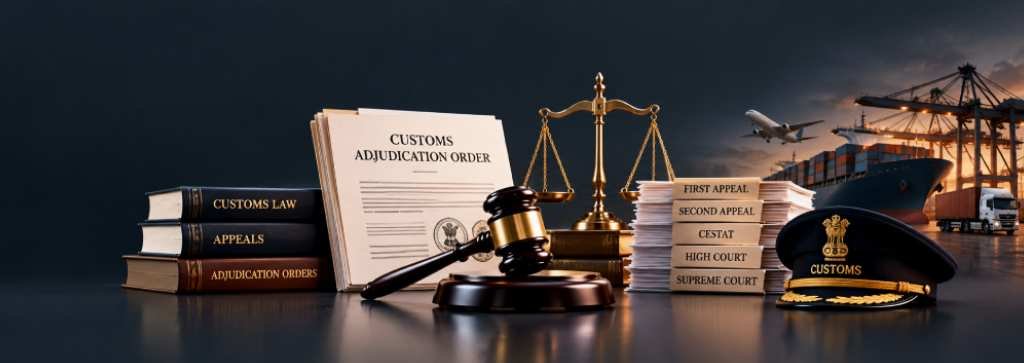
Importers, exporters and businesses involved in international trade may face disputes over classification, valuation, duty liability, confiscation or penalties. Once the customs authority passes an adjudication order, the matter does not necessarily end. The Customs Appeal Process provides a statutory route for challenging an adverse decision before the appropriate appellate authority. Understanding the available forums, […]
When Can Customs Release Goods Against a Bank Guarantee?
For importers, a Customs Bank Guarantee can sometimes provide a practical route for obtaining release of goods while a customs investigation or adjudication is still pending. Customs authorities may permit provisional release where goods have been seized, subject to a bond and security or other conditions. Section 110A of the Customs Act, 1962 gives the […]
How Customs Warehousing Rules Affect Imported Goods in India
For importers, Customs Warehousing Rules provide an important mechanism for storing imported goods without immediately paying the applicable customs duty. The system can help businesses manage cash flow, defer duty payments and hold goods until they are required for domestic clearance or export. However, warehousing is not simply a storage arrangement. Goods remain subject to […]
What Importers Should Know About Provisional Assessment of Customs Duty
Importers may sometimes face situations where the exact customs duty payable cannot be determined at the time of clearance. In such cases, Provisional Customs Assessment can provide a mechanism for goods to be cleared while the final duty liability is determined later. Section 18 of the Customs Act, 1962 allows provisional assessment in specified circumstances, […]
How Customs Risk Management Systems Affect Import Clearance
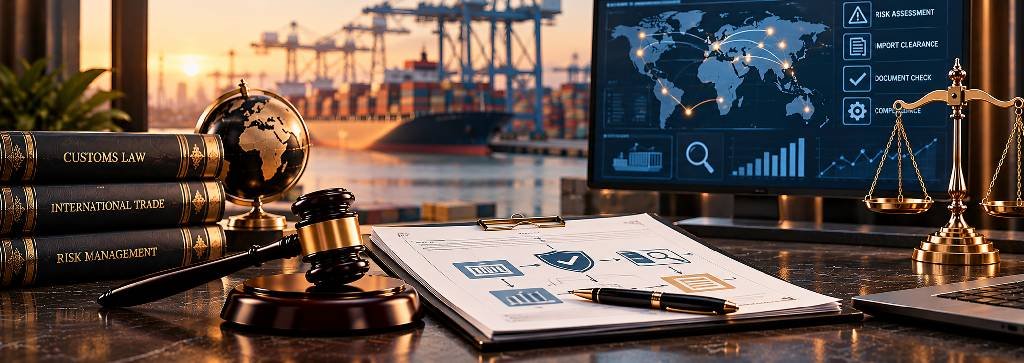
Import clearance in India has become increasingly dependent on digital systems designed to balance trade facilitation with effective customs control. Customs Risk Management is central to this process. The Risk Management System, commonly known as RMS, uses risk based selection to determine which import transactions may require closer scrutiny and which can move through the […]
Customs Bond Requirements in India: What Importers Should Know
Importing goods into India can involve more than filing a Bill of Entry and paying customs duty. In several situations, importers may need to execute a bond or provide security to the customs authorities before goods can be cleared, warehoused or imported under a particular exemption or procedure. Understanding Customs Bond Requirements is therefore important […]
What Happens After Customs Seizes Imported Goods?
A Customs Goods Seizure can create significant uncertainty for an importer. Goods may be seized when a customs officer has reason to believe they are liable for confiscation under the Customs Act, 1962. The seizure does not automatically mean the goods will ultimately be confiscated. It usually marks the beginning of an inquiry, investigation or […]
How to Respond to a Customs Show Cause Notice in India?
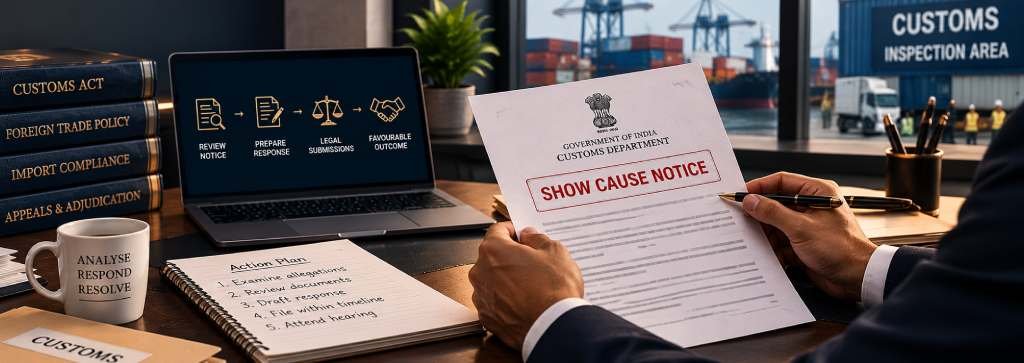
Receiving a Customs Show Cause Notice can be a serious development for an importer, exporter or other person involved in an international trade transaction. Such a notice may raise questions about customs duty, classification, valuation, exemption claims, misdeclaration, confiscation or penalties. A response should therefore be prepared carefully, with close attention to the allegations, supporting […]
Customs Duty Refunds in India: When Can Importers Claim a Refund?
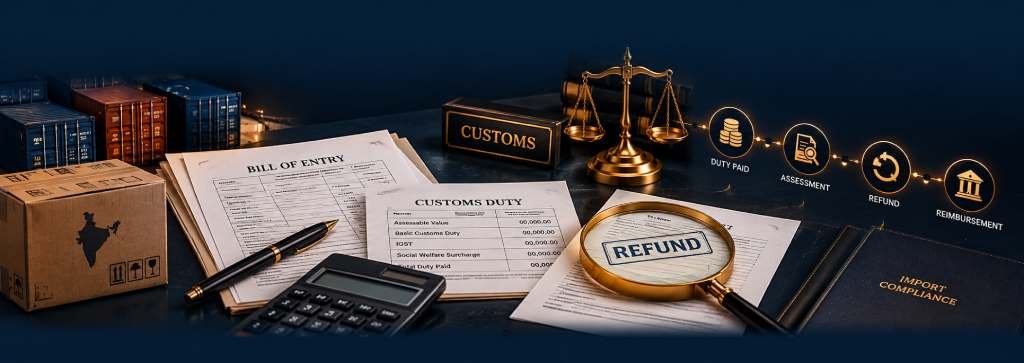
Importers may sometimes pay more customs duty than is ultimately payable due to reassessment, incorrect valuation, classification disputes or other circumstances. In such cases, a Customs Duty Refund can provide a mechanism for recovering eligible amounts from the customs authorities. However, a refund is not automatic merely because an importer believes excess duty was paid. […]
What Importers Should Do When Customs Detains Their Goods
Importing goods into India involves several customs formalities, from filing the Bill of Entry and declaring the correct value to meeting classification, licensing and regulatory requirements. When Customs Detained Goods are held by customs authorities, an importer may face delays, storage costs, disruption to supply chains and possible investigation. The immediate response can significantly affect […]