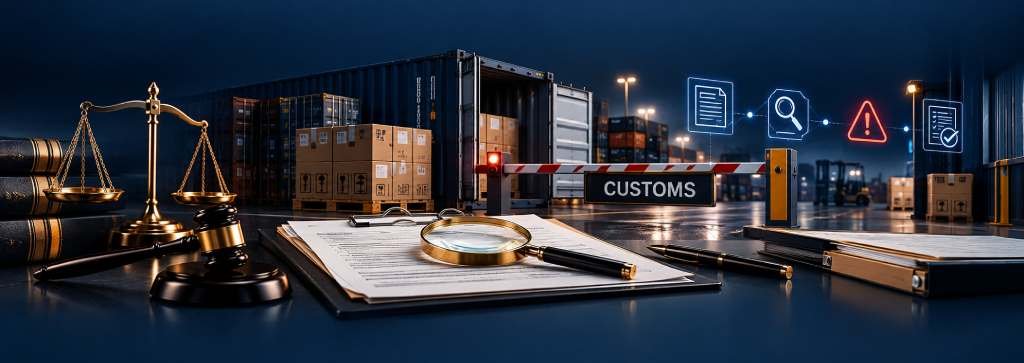
A Customs Goods Seizure can create significant uncertainty for an importer. Goods may be seized when a customs officer has reason to believe they are liable for confiscation under the Customs Act, 1962. The seizure does not automatically mean the goods will ultimately be confiscated. It usually marks the beginning of an inquiry, investigation or adjudication process in which the importer may have an opportunity to explain the transaction and seek release of the goods. Understanding what happens after seizure can help businesses protect their commercial interests and respond within the applicable legal framework.
What Is Customs Goods Seizure?
Under Section 110 of the Customs Act, 1962, the proper officer may seize goods when there is reason to believe they are liable to confiscation under the Act. The law also allows customs authorities, in appropriate circumstances, to place goods under the custody of the owner or another person rather than physically removing them.
Seizure is different from confiscation. Seizure is an interim action taken during customs proceedings. Confiscation is a subsequent legal consequence which may follow if the adjudicating authority determines the goods are liable to confiscation. This distinction is important. An importer should not assume the seizure itself establishes a final violation.
Why Are Imported Goods Seized?
Imported goods may be seized where customs authorities believe the goods fall within categories liable to confiscation. Section 111 of the Customs Act contains several grounds for confiscation of improperly imported goods. These include imports contrary to prohibitions imposed under the Customs Act or another applicable law. The underlying issue can vary considerably. A dispute may concern classification, valuation, description of goods, exemption claims, import restrictions, documentation or alleged misdeclaration. In some cases, customs authorities may also examine whether the importer has complied with regulatory requirements under another applicable law. The precise reason for seizure should therefore be identified from the seizure documentation and subsequent correspondence.
What Happens Immediately After Seizure?
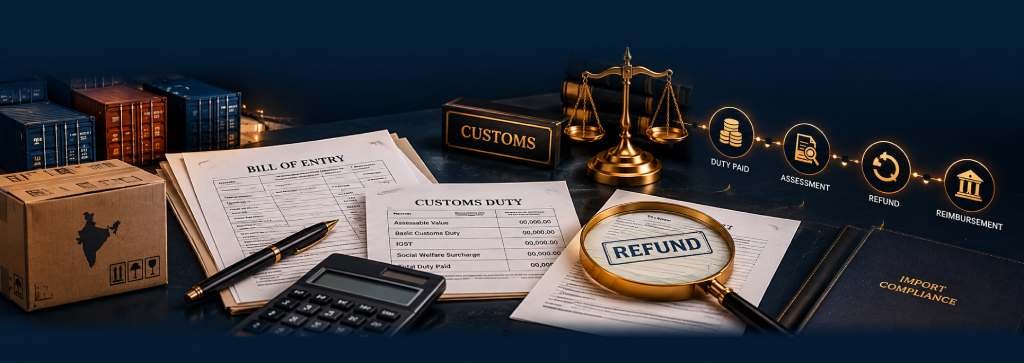
After goods are seized, customs authorities may conduct further examination or investigation. Officers may examine the goods, documents and information connected with the transaction. The importer should preserve all relevant records. These may include the Bill of Entry, commercial invoice, purchase order, packing list, bill of lading, insurance documents, payment records and correspondence with the overseas supplier.
Technical documents can also become important where the dispute concerns the nature or classification of the goods. Product catalogues, specifications and certificates may help establish what was actually imported. Businesses should avoid altering, removing or disposing of goods subject to seizure without appropriate permission. Section 110 permits customs authorities, where physical seizure is impracticable, to direct the person having custody of the goods not to remove or otherwise deal with them without prior permission.
Can Seized Goods Be Released Before the Case Ends?
Yes. Section 110A of the Customs Act provides for provisional release of goods, documents and things seized under Section 110 while adjudication is pending. The goods may be released to the owner on execution of the required bond and subject to security and conditions imposed by the adjudicating authority. This provision can be particularly important for businesses whose operations depend on the seized goods.
For example, an importer may have machinery required for production or inventory intended for onward supply. Waiting until the entire customs dispute is concluded could cause substantial commercial disruption. An application for provisional release can therefore become an important part of the immediate strategy. The terms of provisional release depend on the circumstances of the case and the conditions imposed by the competent authority. Businesses should carefully evaluate the financial and operational consequences before agreeing to release conditions.
What Is the Difference Between Seizure and Confiscation?
Seizure is an investigative or protective measure. Confiscation is a legal determination concerning the goods. Section 111 identifies categories of improperly imported goods liable to confiscation. However, a seizure does not itself constitute a final confiscation order. The importer has procedural rights during adjudication. Section 124 provides an important safeguard. Before an order confiscating goods or imposing a penalty is made under the relevant chapter, the owner or concerned person must generally receive written notice of the grounds, an opportunity to make a representation and a reasonable opportunity of being heard. This means an importer can present its factual and legal position before the matter is finally determined.
When Can Customs Issue a Show Cause Notice?
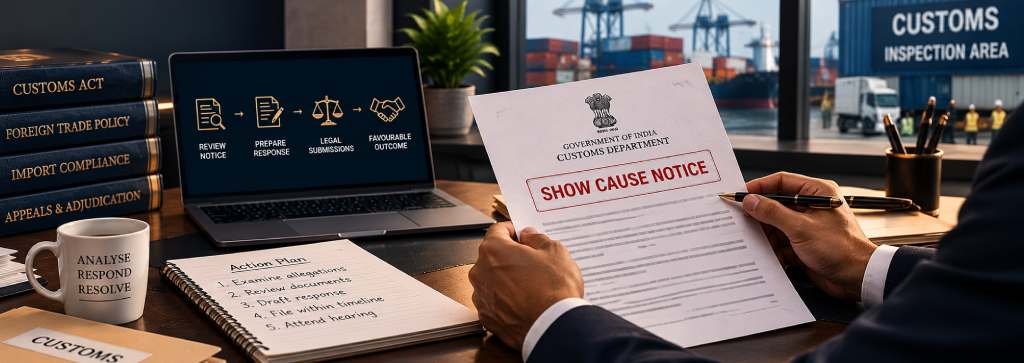
Following seizure and investigation, customs authorities may issue a show cause notice where the statutory requirements are satisfied. The notice generally explains the allegations and identifies the proposed action. It may involve confiscation, duty recovery, penalties or other consequences depending on the facts. Section 124 requires notice before an order of confiscation or penalty under the relevant chapter, subject to the statutory framework. It also provides for an opportunity to make a written representation and a reasonable opportunity of being heard. The importer should examine the notice carefully rather than treating it as a routine administrative document. The allegations, statutory provisions, factual assumptions and proposed consequences should each be considered.
What Happens If Customs Does Not Issue a Notice?
Section 110 contains an important time related safeguard. Where goods are seized under Section 110 and no notice under Section 124(a) is given within six months of seizure, the goods are generally required to be returned to the person from whose possession they were seized. The Principal Commissioner or Commissioner may extend the period by a further period of up to six months for recorded reasons, subject to the statutory requirements. The position is different where an order for provisional release under Section 110A has been passed. This makes it important for an importer to maintain a clear chronology of the seizure, communications, notices and applications. Businesses should not rely solely on informal assurances regarding the progress of a customs investigation. The relevant statutory dates should be tracked independently.
How Should an Importer Respond to the Investigation?
The response should begin with a factual reconstruction of the transaction. The importer should understand exactly what was imported, from whom, at what price and under which classification or exemption. The business should then identify the reason given for seizure and compare it with the documentary record.
For instance, if customs question the declared value, the importer should collect documents explaining the commercial basis of the price. If classification is disputed, technical literature and product specifications may become important. A consistent documentary record is particularly valuable. Differences between the invoice, purchase agreement, Bill of Entry and supporting documents can create unnecessary complications.
Can an Importer Challenge the Proposed Confiscation?
An importer can present its defense during adjudication. Section 124 gives the affected person an opportunity to make a representation and to be heard before confiscation or penalty is imposed under the relevant provisions. The defence should directly address the grounds relied upon by customs. A response should not simply state that the seizure is incorrect. It should explain why the statutory conditions for confiscation are not satisfied, supported by relevant documents and legal reasoning.
Where the dispute involves technical classification or valuation questions, specialist assistance can be useful. A consumer attorney may be relevant where the wider dispute also involves consumer or product compliance concerns, while customs and tax specialists may be appropriate for matters involving duty, valuation and import taxation.
What Happens If the Goods Are Ultimately Confiscated?
If the adjudicating authority determines the goods are liable to confiscation, the importer may face consequences depending on the applicable provision and circumstances. The Customs Act contains provisions dealing with confiscation of improperly imported goods. The consequences can differ based on the nature of the alleged violation and the goods involved.
In some situations, the statutory framework may permit release of confiscated goods on payment of a redemption fine. The availability and amount of such relief depend on the applicable provision and the facts of the case. A business should therefore examine the adjudication order carefully before deciding its next step.
Can an Importer Appeal Against a Customs Order?
Yes. The Customs Act provides appellate remedies against specified customs decisions and orders. For example, Section 128 provides for appeals to the Commissioner (Appeals) against decisions or orders passed by specified customs officers below the rank of Principal Commissioner or Commissioner. The statutory period is generally sixty days from communication of the decision or order, with a further period of thirty days potentially available where the prescribed conditions for condonation are satisfied. The appropriate appellate route depends on the nature of the order and the authority which passed it. Importers should therefore identify the correct remedy and limitation period promptly.
What Documents Should Businesses Preserve?
A customs seizure can become difficult to defend if the importer cannot produce the underlying commercial record. Businesses should preserve import documents, purchase contracts, invoices, payment records, shipping documents, product specifications and communications with suppliers. Internal records explaining the basis for classification or valuation can also be useful. Where an importer regularly handles similar goods, previous Bills of Entry and customs correspondence may help demonstrate consistency in its import practices. A proper document management process can therefore reduce both the immediate difficulty of responding to a seizure and the risk of future disputes.
When Should a Business Seek Legal Advice?
Professional advice may be particularly useful where the seizure involves high value goods, restricted products, complex classification, disputed valuation, alleged misdeclaration or potential penalties. Businesses may also need assistance when seeking provisional release under Section 110A or responding to a show cause notice. Specialist tax lawyers can assist with customs duty and related tax questions, while legal professionals experienced in customs proceedings can assess procedural and substantive issues. Early advice can also help businesses avoid making unnecessary admissions during an investigation.
Common Mistakes After Customs Seizes Goods
One common mistake is assuming seizure means the goods have already been confiscated. These are legally different stages. Another mistake is failing to track statutory deadlines. Businesses should record the date of seizure and monitor subsequent notices, applications and orders. Submitting inconsistent documents can also weaken an importer’s position. Every explanation provided to customs should be checked against the underlying commercial records. Finally, businesses should avoid treating the matter as purely administrative when significant financial or operational consequences are involved.
Conclusion
A Customs Goods Seizure does not necessarily bring an import transaction to an end. It usually begins a process in which customs authorities investigate the goods and the circumstances of their importation. The importer may have opportunities to seek provisional release, respond to allegations, participate in adjudication and pursue appellate remedies where appropriate.
The most important steps are to understand the reason for seizure, preserve the documentary record and monitor statutory timelines. Businesses should also distinguish between seizure, provisional release, show cause proceedings and final confiscation. Where significant goods, duty demands or penalties are involved, obtaining appropriate professional advice early can help an importer protect its commercial and legal interests.