
What Happens If a Property Seller Fails to Complete the Sale?

A property transaction can become complicated when a seller accepts an advance or enters into an agreement to sell but later refuses to complete the transaction. A Seller Fails to Complete Sale situation can arise for several reasons. The seller may demand a higher price, discover a more attractive offer, fail to clear an existing […]
How Property Mutation Works After Buying Immovable Property in India

Buying immovable property does not always end with registration of the sale deed. The buyer may also need to update the relevant revenue or municipal records. This process is commonly known as Property Mutation. It records the transfer of the property in government records and allows the new owner’s name to be reflected for revenue, […]
How Customs Risk Management Systems Affect Import Clearance
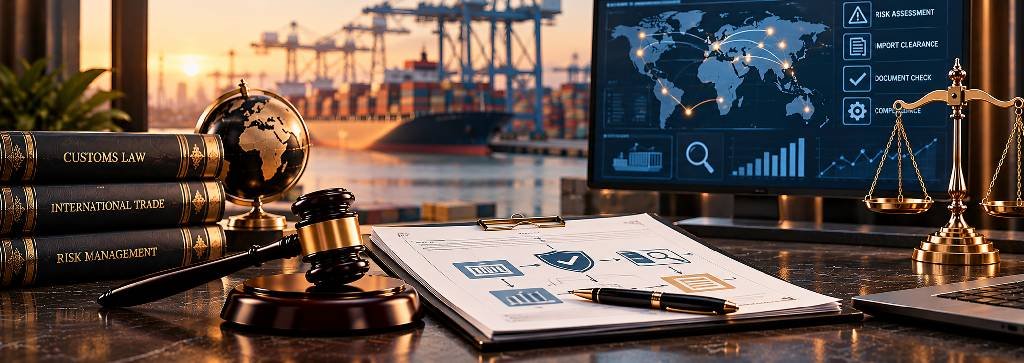
Import clearance in India has become increasingly dependent on digital systems designed to balance trade facilitation with effective customs control. Customs Risk Management is central to this process. The Risk Management System, commonly known as RMS, uses risk based selection to determine which import transactions may require closer scrutiny and which can move through the […]
How to Respond to a Customs Show Cause Notice in India?
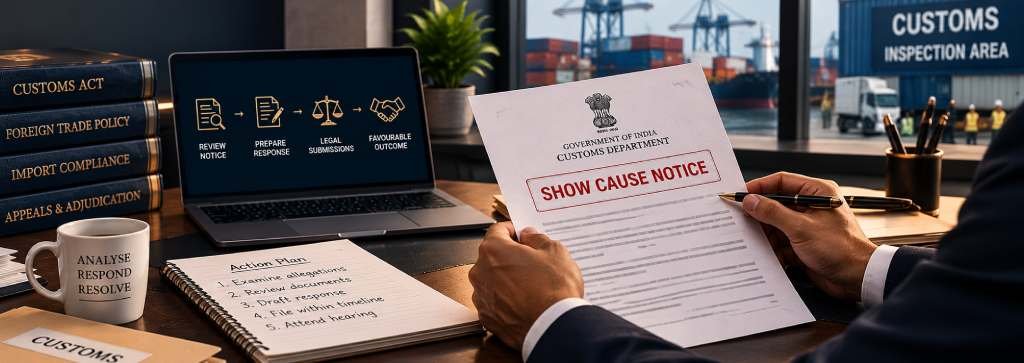
Receiving a Customs Show Cause Notice can be a serious development for an importer, exporter or other person involved in an international trade transaction. Such a notice may raise questions about customs duty, classification, valuation, exemption claims, misdeclaration, confiscation or penalties. A response should therefore be prepared carefully, with close attention to the allegations, supporting […]
Customs Duty Refunds in India: When Can Importers Claim a Refund?
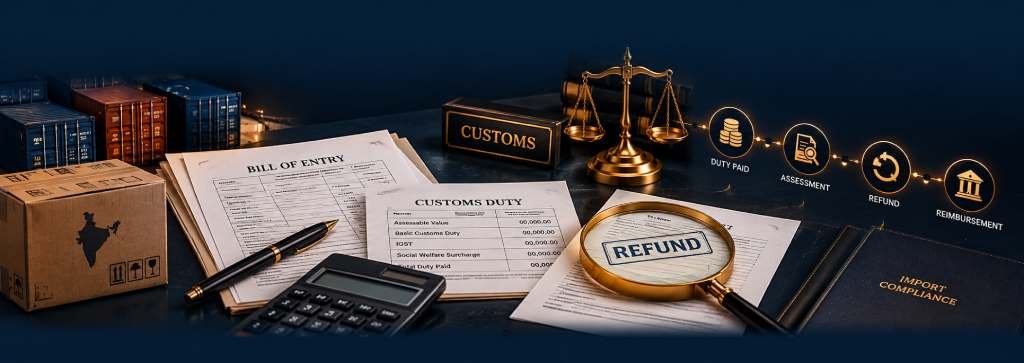
Importers may sometimes pay more customs duty than is ultimately payable due to reassessment, incorrect valuation, classification disputes or other circumstances. In such cases, a Customs Duty Refund can provide a mechanism for recovering eligible amounts from the customs authorities. However, a refund is not automatic merely because an importer believes excess duty was paid. […]
What Importers Should Do When Customs Detains Their Goods

Importing goods into India involves several customs formalities, from filing the Bill of Entry and declaring the correct value to meeting classification, licensing and regulatory requirements. When Customs Detained Goods are held by customs authorities, an importer may face delays, storage costs, disruption to supply chains and possible investigation. The immediate response can significantly affect […]
Termination Clauses in Business Contracts: Key Provisions Companies Should Understand

Business relationships do not always continue as originally planned. A supplier may repeatedly fail to deliver, a service provider may breach important obligations, or a company may decide to discontinue a commercial arrangement after its objectives change. Termination Clauses provide a contractual framework for ending such relationships and determining what happens afterwards. For businesses, termination […]
Representations and Warranties in Commercial Contracts: Why They Matter
Commercial transactions often depend on information provided by one party to another before an agreement is signed. A buyer may need assurance about ownership, regulatory compliance, intellectual property, financial information or the quality of goods and services. Contract Warranties provide contractual protection by establishing agreed standards or assurances concerning these matters. Representations and warranties are […]
Limitation of Liability Clauses: How Businesses Can Define Contractual Exposure

Commercial contracts distribute risk between businesses and establish the financial consequences of a breach. One of the most important provisions for managing this exposure is the limitation of liability clause. Liability Clauses can determine how much a party may have to pay if a contractual relationship goes wrong and which categories of loss can be […]
Understanding Indemnity Clauses in Commercial Contracts: What Businesses Should Know

Commercial contracts allocate risk between businesses, suppliers, customers, technology providers, investors, and other commercial partners. Among the provisions that can have the greatest financial impact are Indemnity Clauses. These clauses determine when one party may be required to compensate another for specified losses, claims, costs, or liabilities. A carefully drafted indemnity can provide valuable protection, […]