Purchasing a new home is a significant financial investment. Buyers expect the property to meet the promised construction standards, approved specifications and safety requirements. However, problems such as wall cracks, water seepage, defective plumbing, poor electrical installations and structural weaknesses can emerge after possession. Understanding the Legal remedies for property defects is essential when a developer fails to deliver a property in the condition promised under the agreement.
In India, homebuyers have legal protection under the Real Estate (Regulation and Development) Act, 2016 (RERA), the Consumer Protection Act, 2019 and applicable contractual laws. These provisions can require developers to rectify qualifying defects, provide compensation or address deficiencies in construction and services. The appropriate remedy depends on the nature of the defect, the date of possession, the evidence available and the developer’s response.
What Are Property Defects in a Newly Purchased Home?
Property defects refer to deficiencies in construction, workmanship, materials, structural integrity or essential services which affect the quality, safety or usability of a newly purchased property. These problems may become visible immediately after possession or develop over time because of poor construction practices, inferior materials or improper installation.
Common examples include cracks in walls and ceilings, water leakage, dampness, defective waterproofing, faulty electrical wiring, plumbing problems, damaged flooring, poor ventilation and malfunctioning lifts. More serious issues may involve structural instability, inadequate fire safety arrangements or defects in essential building services. However, not every maintenance issue automatically qualifies as a construction defect. The cause, severity and contractual responsibility must be examined before deciding whether the builder is legally liable.
What Does RERA Say About Construction Defects?
Section 14(3) of the Real Estate (Regulation and Development) Act, 2016, provides an important statutory safeguard for property buyers. It requires a promoter to rectify structural defects and other defects in workmanship, quality, provision of services or other obligations under the agreement for sale, provided the allottee brings them to the promoter’s notice within five years from the date of handing over possession.
Once notified, the promoter must rectify qualifying defects without further charge within thirty days. If the promoter fails to do so, the aggrieved allottee becomes entitled to appropriate compensation under the Act. This provision covers more than major structural failures. Depending on the circumstances, defects involving workmanship, construction quality, essential services and contractual obligations may also qualify. Read Section 14 of the Real Estate (Regulation and Development) Act, 2016.
What Types of Property Defects Can a Builder Be Liable For?
1. Structural Defects
Structural defects affect the strength, stability or safety of a building. These may include serious cracks in load bearing walls, defective columns or beams, foundation problems, structural settlement and other weaknesses affecting the building’s integrity. Such defects can create safety concerns and may require an independent structural assessment.
Developers may be responsible for rectifying qualifying structural defects reported within the statutory five year period. Buyers should not attempt to conceal or repair serious structural damage before obtaining appropriate technical advice. A structural engineer’s report can help establish the nature, cause and extent of the problem.
2. Defects in Workmanship and Construction Quality
Poor workmanship may result in uneven flooring, damaged plaster, improper tiling, defective doors and windows, inadequate waterproofing or poorly installed fittings. These issues can affect the property’s usability and reduce its overall quality.
Section 14(3) of RERA covers defects in workmanship and quality, not merely structural damage. Therefore, developers may be required to correct qualifying construction deficiencies without charging the buyer. The buyer should compare the actual construction with the specifications and commitments recorded in the agreement for sale.
3. Plumbing, Electrical and Waterproofing Defects
Faulty plumbing, leaking pipes, recurring seepage, defective drainage and unsafe electrical installations can make a property difficult to occupy. These problems may also damage walls, ceilings, flooring and neighbouring apartments.
Where such deficiencies arise from defective workmanship, poor quality or inadequate provision of services, they may fall within the protection of Section 14(3). However, normal wear and tear, damage caused by misuse or issues arising from later alterations may require a different legal assessment. Technical inspection can help distinguish construction defects from ordinary maintenance problems.
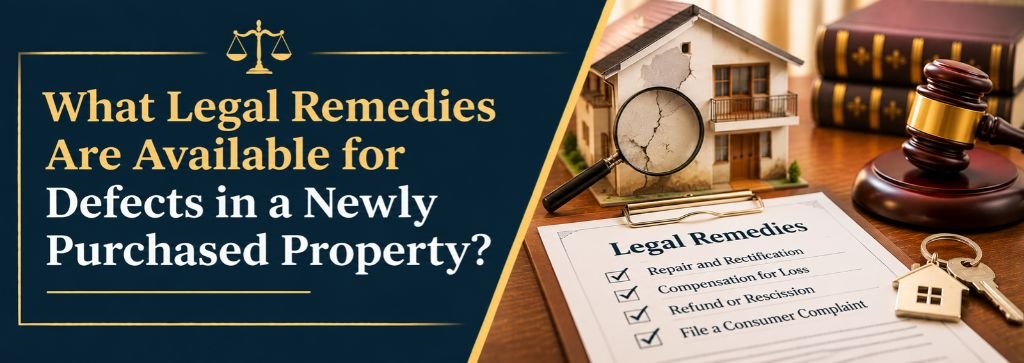
What Legal Remedies Are Available for Property Defects in India?
Homebuyers have several legal options when a developer refuses to address construction defects or fails to honour contractual obligations. The appropriate remedy depends on whether the issue falls within RERA’s defect liability provisions, amounts to a deficiency in service or involves a breach of the agreement for sale.
1. Filing a Complaint Before the RERA Authority
A buyer can approach the relevant State RERA Authority when a promoter fails to rectify qualifying defects under Section 14(3). Section 31 allows an aggrieved allottee to file a complaint for violations of the Act, its rules or regulations. The complaint should explain the defects, when they were discovered, when they were reported and how the developer responded.
The buyer can seek directions requiring the developer to rectify the defects and comply with statutory obligations. Where the promoter fails to complete the repairs within thirty days of receiving notice, the buyer may also seek appropriate compensation under the Act. Supporting evidence, such as inspection reports, photographs, correspondence and repair estimates, can strengthen the complaint.
2. Claiming Compensation for Construction Defects
Where a developer fails to rectify defects within the prescribed period, the buyer may seek compensation under Section 14(3) of RERA. The compensation depends on the nature of the defect, the actual loss suffered and the evidence presented. For example, recurring water leakage may require substantial waterproofing work, while serious structural deficiencies may require specialist repairs and technical assessment.
Section 71 of RERA deals with the adjudication of compensation under the Act. The adjudicating officer considers the relevant circumstances and evidence when determining compensation. Buyers should maintain repair estimates, invoices, independent engineering reports and records of expenses incurred because of the developer’s failure to rectify the defects.
3. Filing a Consumer Complaint Against the Builder
A homebuyer may also approach the appropriate consumer commission under the Consumer Protection Act, 2019, where the developer’s conduct amounts to deficiency in service or an unfair trade practice. Defective construction, failure to provide promised facilities and refusal to address contractual obligations may provide grounds for a consumer complaint, depending on the facts.
Consumer commissions can grant appropriate relief, including rectification, refund, compensation and costs, subject to their jurisdiction and the circumstances of the case. The Supreme Court has recognised the availability of consumer remedies alongside RERA protections in Imperia Structures Ltd. v. Anil Patni (2020). Buyers should nevertheless consider limitation periods, jurisdiction and the possibility of overlapping proceedings before selecting a forum. The Delhi State Consumer Disputes Redressal Commission’s explanation of the Consumer Protection Act, 2019 provides further information about consumer complaint rights.
4. Seeking Relief Through Civil Proceedings
In certain circumstances, buyers may approach a competent civil court for relief arising from contractual breaches, defective title related issues or other property disputes. Depending on the facts, remedies may include damages, specific performance, injunctions or other appropriate relief.
Civil proceedings may be particularly relevant where the dispute involves issues beyond the specific statutory remedies available under RERA. However, buyers should carefully assess the appropriate forum because jurisdictional restrictions, statutory remedies and the nature of the relief claimed may affect where proceedings should be initiated.
How Can Buyers Prove Construction Defects Against a Builder?
Establishing the existence and cause of a defect is important when pursuing a legal claim. Buyers should begin by documenting visible problems through dated photographs and videos. They should also prepare a written record describing when the defect appeared, where it is located and whether it has become more serious over time.
Technical evidence can be particularly valuable in disputes involving structural damage, waterproofing failures, electrical defects or recurring seepage. An independent civil engineer or structural consultant may inspect the property and prepare a report explaining the cause, severity and estimated cost of repairs. Buyers should also preserve the agreement for sale, possession letter, approved specifications, payment records and all correspondence with the developer.
What Should Buyers Do When a Builder Refuses to Rectify Defects?
The first step is to notify the developer formally in writing. The communication should identify each defect, explain when it was discovered and request rectification without additional charges under the applicable legal provisions. Buyers should specifically refer to Section 14(3) of RERA where the defect falls within its scope and ensure there is proof of delivery of the complaint.
If the developer ignores the complaint, refuses responsibility or fails to complete the repairs within thirty days, the buyer can consider approaching the appropriate RERA Authority or consumer commission. Before initiating proceedings, buyers should obtain a technical assessment and organise all supporting documents. Where the defects create an immediate safety risk, appropriate safety measures and professional inspections should take priority over waiting for the dispute to be resolved.
Does the Builder Remain Liable for Defects After Possession?
Yes. Handing over possession does not automatically end the developer’s statutory responsibility for qualifying construction defects. Under Section 14(3) of RERA, the promoter remains responsible for structural defects and specified defects in workmanship, quality and services when they are brought to its notice within five years from the date of possession.
The five year period is particularly important because buyers must report qualifying defects within this statutory window. Once properly notified, the promoter must rectify them without further charge within thirty days. However, this provision should not be confused with an unlimited warranty against every problem arising during occupation. Normal wear and tear, damage caused by improper use and maintenance issues may fall outside the statutory defect liability obligation.
Can a Builder Be Held Responsible for Defects in Common Areas?
Yes. A developer’s responsibilities may extend beyond individual apartments to qualifying defects in common areas and shared facilities. These may include defective lifts, leaking terraces, damaged staircases, faulty drainage systems, inadequate waterproofing and problems with essential building services.
Under RERA, the promoter has obligations concerning project specifications, construction quality and provision of services. Where defects in common areas arise from deficient construction or failure to meet agreed obligations, affected allottees or their association may have grounds to seek appropriate relief. The extent of Builder liability for property defects depends on the nature of the defect, the contractual commitments, statutory requirements and available evidence.
How Can Buyers Protect Themselves Against Property Defects?
Buyers should inspect the property carefully before accepting possession. They should compare the actual construction with the specifications in the agreement for sale and identify visible defects in flooring, plumbing, electrical installations, doors, windows and waterproofing. Any problems should be recorded in a written inspection report and communicated to the developer.
Buyers should also retain possession documents, payment receipts, approved specifications and all repair related correspondence. Where serious defects appear after occupation, an independent technical inspection can help establish the cause and appropriate repair requirements. Timely documentation and written complaints can make it easier to pursue Legal remedies for construction defects before the appropriate authority or forum.
Conclusion
Defects in a newly purchased property can affect safety, comfort and the financial value of a home. However, buyers in India have statutory and contractual protections when developers fail to meet construction standards or deliver the quality promised in the agreement. RERA provides an important five year defect liability safeguard, requiring promoters to rectify qualifying defects within thirty days of receiving notice. Buyers may also explore consumer and civil remedies depending on the nature of the dispute.
The most important steps are to document defects, notify the developer promptly, obtain independent technical evidence and understand the appropriate legal forum. Taking timely action can help protect property ownership interests and prevent construction deficiencies from becoming prolonged legal and financial problems.
Frequently Asked Questions
1. Can I sue a builder for defects in a newly purchased flat?
Yes. A buyer may initiate legal proceedings if the developer fails to address qualifying construction defects or breaches contractual and statutory obligations. Depending on the circumstances, remedies may be available under RERA, the Consumer Protection Act, 2019 or applicable civil law.
2. What is the five year defect liability period under RERA?
Section 14(3) of RERA provides a five year period from the date of handing over possession. During this period, qualifying structural defects and defects in workmanship, quality or provision of services must be reported to the promoter. The promoter must rectify them without further charge within thirty days of receiving notice.
3. Can I claim compensation for water leakage in my apartment?
Potentially, yes. If water leakage results from defective construction, poor waterproofing or deficient workmanship, it may fall within Section 14(3) of RERA. Buyers should document the leakage, obtain technical evidence and notify the developer in writing.
4. What happens if a builder refuses to repair structural defects?
If the developer fails to rectify qualifying defects within thirty days of receiving notice, the buyer may seek appropriate compensation under RERA. A complaint can be filed before the relevant State RERA Authority, supported by technical reports and other evidence.
5. Can I file a consumer complaint against a builder for poor construction quality?
Yes. Poor construction quality may amount to deficiency in service under the Consumer Protection Act, 2019. Buyers can approach the appropriate consumer commission for relief, subject to applicable jurisdiction and limitation requirements.