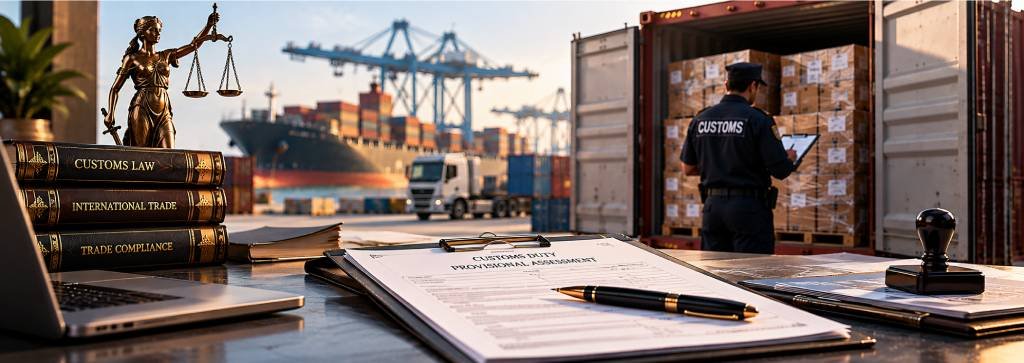

Global trade has opened new opportunities for businesses to collaborate with suppliers, distributors, manufacturers, technology providers, investors, and service partners across international markets. These relationships can accelerate growth, improve market access, and create valuable commercial opportunities. However, international transactions also involve additional legal and operational complexities. **Overseas Business Agreements** provide the legal framework required to manage these relationships while reducing commercial risks. Well drafted contracts help businesses establish clear expectations, protect valuable assets, and navigate the challenges of cross border commerce with greater confidence. As organisations increasingly expand beyond domestic markets, strong commercial agreements become essential for maintaining legal certainty, regulatory compliance, and successful long-term partnerships.
Understanding Overseas Business Agreements
Overseas Business Agreements are commercial contracts governing business relationships between organisations located in different countries. These agreements regulate a wide range of transactions, including supply arrangements, distribution partnerships, technology licensing, manufacturing contracts, consultancy services, digital commerce, joint ventures, and international service agreements. Unlike domestic contracts, international agreements must account for differences in legal systems, commercial practices, currencies, taxation, regulatory obligations, and dispute resolution procedures. A carefully structured agreement provides clarity throughout the commercial relationship while supporting international business growth.
Why International Business Requires Strong Contracts
Working with overseas partners introduces challenges that rarely arise in domestic transactions. Businesses must address differing legal requirements, cultural expectations, regulatory obligations, language considerations, logistics, and financial arrangements. Without a comprehensive contractual framework, misunderstandings can quickly develop into expensive disputes. Well drafted Overseas Business Agreements establish clear rights and responsibilities before commercial activities begin. Businesses investing in robust contractual planning often experience smoother international operations and stronger commercial relationships. Effective contracts create stability in complex global markets.
Choosing the Governing Law
One of the most important decisions in an international agreement involves selecting the governing law. The governing law determines how contractual rights and obligations will be interpreted if disagreements arise. Businesses should carefully evaluate which jurisdiction offers certainty, commercial practicality, and enforceability. Choosing an appropriate legal framework at the outset reduces future uncertainty. The governing law should also complement the nature of the commercial relationship and the countries involved. Careful planning during negotiations strengthens legal protection throughout the agreement.
Jurisdiction and Dispute Resolution
Disputes involving overseas business partners can become costly if contracts fail to establish appropriate procedures. Businesses should determine whether disagreements will be resolved through arbitration, mediation, litigation, or expert determination. Contracts should also specify the jurisdiction responsible for hearing disputes. Clear dispute resolution provisions improve predictability while reducing procedural complexity. Many international businesses favour arbitration because of its flexibility and broader international recognition. Proactive planning allows commercial relationships to continue with greater confidence.
Defining Commercial Responsibilities
Successful international relationships depend on clearly documented responsibilities. Overseas Business Agreements should define the obligations of each party regarding product delivery, service performance, reporting, quality standards, customer support, compliance, payment obligations, and communication. Clear allocation of responsibilities reduces misunderstandings while improving accountability. Many businesses engage commercial contract lawyers in India when preparing complex international agreements involving multiple commercial obligations. Operational clarity contributes directly to stronger commercial performance. Clearly documented expectations strengthen long term partnerships.
Managing Payment and Currency Risks
International transactions frequently involve multiple currencies and banking systems. Exchange rate fluctuations, payment delays, tax obligations, customs duties, and international transfer procedures may all affect commercial outcomes. Contracts should establish payment currencies, invoicing procedures, payment schedules, exchange rate mechanisms, tax responsibilities, and remedies for delayed payments. Transparent financial provisions reduce commercial uncertainty while improving financial planning. Businesses should anticipate changing economic conditions when negotiating international agreements. Financial certainty supports stable business relationships.
Protecting Intellectual Property
Businesses expanding internationally often share valuable intellectual property with overseas partners. Software, trademarks, patents, confidential processes, technical knowledge, product designs, research, and proprietary technology require contractual protection. Overseas Business Agreements should establish ownership rights, licensing arrangements, confidentiality obligations, usage permissions, and enforcement mechanisms. Strong intellectual property provisions protect commercial value while encouraging innovation. Businesses should also ensure contractual protections remain compatible with local intellectual property laws. Protecting innovation remains essential for long term competitiveness.
Confidentiality and Information Security
International business relationships frequently involve exchanging commercially sensitive information. Pricing models, customer records, financial information, research findings, technology, and business strategies require effective contractual protection. Confidentiality provisions should define protected information clearly while establishing obligations relating to disclosure, storage, permitted use, and return of confidential materials. Businesses should also address cybersecurity responsibilities where digital systems support commercial operations. Strong confidentiality provisions strengthen trust while protecting competitive advantage. Information security remains a vital component of international contracting.
Regulatory Compliance Across Jurisdictions
Every country applies different legal and regulatory standards to commercial activities. Businesses must understand applicable rules relating to taxation, employment, customs, privacy, consumer protection, competition law, environmental obligations, and industry specific regulations. Contracts should allocate compliance responsibilities clearly between the parties. Regular legal reviews help ensure agreements remain aligned with changing international requirements. Effective regulatory planning reduces legal uncertainty while supporting responsible business operations. Compliance strengthens long term commercial resilience.
Supply Chain and Delivery Obligations
Businesses working internationally often rely upon overseas manufacturers, logistics providers, distributors, and suppliers. Contracts should establish delivery schedules, inspection rights, quality standards, packaging requirements, transportation responsibilities, insurance arrangements, customs documentation, and risk transfer procedures. Clear operational provisions reduce supply chain disruptions while improving service reliability. Businesses should monitor contractual performance regularly as international trade conditions evolve. Strong supply chain agreements contribute directly to customer satisfaction and operational continuity.
Data Protection in International Transactions
Cross border business often involves transferring customer information and commercial data between jurisdictions. Businesses should establish contractual responsibilities relating to data collection, processing, storage, retention, deletion, cybersecurity, and regulatory compliance. International privacy obligations continue evolving across many countries. Overseas Business Agreements should address these requirements carefully. Well drafted data protection provisions reduce legal risks while strengthening stakeholder confidence. Responsible information management has become a core element of international commercial relationships.
Force Majeure and Business Continuity
International business operations may be affected by events beyond the control of the contracting parties. Natural disasters, political developments, trade restrictions, transportation delays, public health emergencies, and regulatory changes may interrupt contractual performance. Contracts should contain practical force majeure provisions identifying qualifying events, notification procedures, and mitigation obligations. Businesses should also establish business continuity arrangements supporting ongoing operations. Forward planning improves resilience during unexpected disruptions. Commercial certainty depends upon realistic contingency planning.
Planning for Future Growth
International commercial relationships often develop over time. Businesses may introduce additional products, expand into neighbouring markets, increase transaction volumes, or establish new strategic partnerships. Contracts should remain flexible enough to support future commercial growth. Scalable Overseas Business Agreements reduce the need for extensive renegotiation as operations expand. Businesses planning for future development strengthen long term commercial stability. Adaptable contractual frameworks provide lasting value.
Ongoing Contract Management
Effective contract management continues long after agreements have been signed. Businesses should monitor renewal dates, compliance obligations, payment schedules, reporting commitments, delivery standards, and operational performance throughout the contract lifecycle. Regular contract reviews identify emerging risks before they develop into commercial disputes. Many expanding organisations seek support from an experienced corporate lawyer when reviewing international contracts and strengthening cross border governance. Active contract management improves accountability while supporting sustainable global operations. Strong governance contributes directly to commercial success.
Conclusion
Overseas Business Agreements are fundamental to successful international business operations. They establish legal certainty, protect commercial interests, allocate responsibilities, support regulatory compliance, and reduce the risks associated with global trade. Businesses expanding into international markets should recognise contracts as strategic business tools rather than administrative formalities. Carefully drafted agreements strengthen commercial relationships, improve operational efficiency, and provide greater confidence when working with overseas partners. As international commerce continues evolving, businesses investing in strong contractual frameworks position themselves for sustainable global growth while protecting their long term commercial interests.