
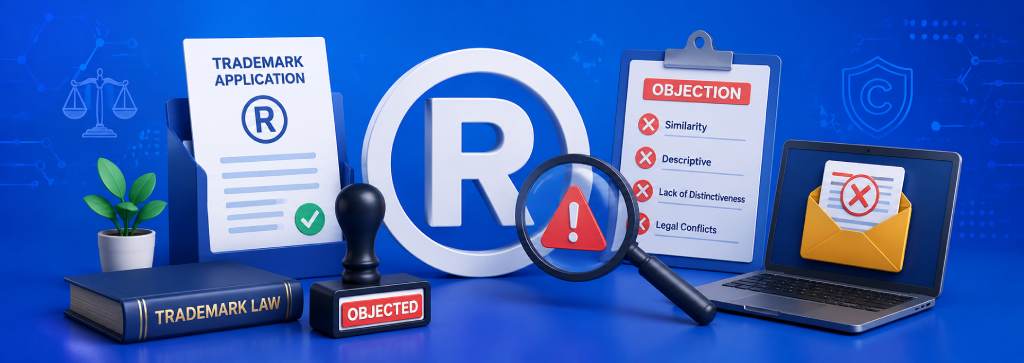
Registering a trademark is an important step for protecting brand identity in a competitive market. However, many applicants receive objections during the registration process. A trademark objection in India does not mean immediate rejection of the application. Instead, it is a formal concern raised by the Trademark Examiner during review of the application. Understanding why objections occur and how to respond can help businesses secure registration successfully. Trademark objections are common in India and often arise due to similarity with existing marks, lack of distinctiveness, or procedural issues. With a timely and well-prepared response, applicants can often overcome these objections and continue the registration process without major complications.
Understanding Trademark Objections in India
A trademark objection is issued during examination of the trademark application by the Registrar under the Trade Marks Act, 1999. The Examiner reviews whether the proposed mark complies with legal requirements for registration. If the Examiner identifies concerns, an examination report is issued outlining the objections. The applicant then receives an opportunity to respond and justify why the trademark should proceed for registration. An objection differs from rejection. Objection is an intermediate stage where clarification and evidence can still resolve issues.
Why Trademark Objections Occur
Trademark objections generally arise due to absolute grounds or relative grounds under trademark law. Absolute grounds relate to the nature of the mark itself. A trademark lacking distinctiveness or consisting of descriptive terms may face objection. Generic expressions commonly used in trade often fail to qualify for exclusive protection. Relative grounds concern similarity with earlier trademarks. If a proposed mark resembles an existing registered or pending mark, the Examiner may believe consumers could become confused. Procedural mistakes such as incorrect classification, incomplete documents, or improper trademark descriptions can also trigger objections.
Common Reasons Behind Trademark Objections
1. Lack of Distinctiveness
Distinctiveness is one of the most important requirements for trademark registration. A mark should identify goods or services from a particular source. Marks describing product quality, purpose, or characteristics often face objections because they do not uniquely identify one business. Invented or arbitrary words generally have stronger protection potential.
2. Similarity with Existing Trademarks
The Registrar examines the visual appearance, pronunciation, and conceptual meaning of trademarks. Similar-sounding or visually comparable marks may create confusion in the marketplace. Even a slight resemblance to a reputed trademark can lead to objection.
3. Use of Generic or Descriptive Terms
Common industry terms cannot easily receive exclusive rights. Words directly describing goods or services are generally considered weak trademarks. Applicants may need to prove acquired distinctiveness through extensive commercial use.
4. Misleading or Deceptive Marks
A trademark may be objected to if it misleads consumers regarding the origin, quality, or nature of goods and services. False geographical references or exaggerated claims may attract scrutiny.
5. Incorrect Trademark Classification
Applications must be filed under the correct class according to the Nice Classification system. Filing under an incorrect category may create examination complications.
What Happens After Receiving a Trademark Objection
Receiving an examination report can be stressful for businesses, especially during the early stages of brand development. However, the process provides an opportunity to defend the application. The applicant must review the objections carefully and prepare a suitable response addressing each concern raised by the Examiner. Failure to respond within the prescribed timeline may result in abandonment of the application.
Timeline for Responding to Trademark Objection
The reply to the examination report should generally be submitted within thirty days from the issuance of the report. The response must include legal arguments, supporting evidence, and explanations demonstrating why the trademark deserves registration. After reviewing the reply, the Registrar may accept the application, request additional clarification, or schedule a hearing.
How to Respond to a Trademark Objection
A strong reply requires legal understanding and strategic presentation.
1. Analyse the Examination Report
Applicants should carefully study the grounds mentioned in the report. Each objection must be answered separately and clearly. Generic responses often fail to satisfy the Registrar.
2. Demonstrate Distinctiveness
If the mark is considered descriptive, applicants should explain how it has acquired uniqueness through commercial use and consumer recognition. Invoices, advertisements, social media records, and promotional materials can support the claim.
3. Highlight Differences from Existing Marks
Where similarity objections arise, applicants should identify differences in spelling, pronunciation, visual structure, or market context. Even small distinctions can sometimes reduce the likelihood of confusion.
4. Attach Supporting Evidence
Documentary proof strengthens legal arguments. Businesses should submit evidence showing market presence, brand recognition, and honest adoption of the trademark.
5. Maintain Professional Drafting
Replies should remain concise, legally accurate, and professionally structured. Emotional language or unsupported claims weaken credibility. Many businesses seek assistance from top IPR law firms in India for preparing effective responses and avoiding procedural mistakes.
What Happens If the Registrar is Not Satisfied
If the Registrar remains unconvinced after reviewing the reply, a hearing may be scheduled. During the hearing, applicants or their legal representatives present oral arguments supporting the application. The Registrar may ask questions regarding distinctiveness, prior use, or market confusion. Following the hearing, the Registrar decides whether to allow or refuse registration. Proper preparation for hearings is essential because oral submissions can influence the final outcome.
Consequences of Ignoring a Trademark Objection
Ignoring an examination report can lead to abandonment of the application. Once abandoned, the trademark loses its pending status and legal protection benefits associated with the application. Businesses may need to restart the filing process from the beginning, resulting in additional costs and delays. Prompt response and careful monitoring of application status are, therefore, critical.
Can a Trademark Objection Be Overcome?
Yes, many objections are successfully resolved through proper legal responses and supporting evidence. Trademark law allows applicants to explain their position and defend their marks. Even objections based on similarity or descriptiveness can sometimes be overcome with strong arguments and evidence of acquired reputation. Professional guidance from the best trademark law firms in India often improves the chances of securing registration, especially in complex cases involving prior marks or legal interpretation.
Difference Between Trademark Objection and Trademark Opposition
Many businesses confuse trademark objections with trademark opposition. A trademark objection occurs during examination by the Registrar before publication of the mark in the Trademark Journal. Trademark opposition occurs after publication when third parties challenge the registration. Both stages involve different procedures and legal considerations.
Tips to Avoid Trademark Objections
Choosing a unique trademark is one of the best preventive measures. Invented words and distinctive brand names face fewer examination concerns.
- Conducting a comprehensive trademark search before filing helps identify conflicting marks early.
- Accurate classification and complete documentation also reduce procedural issues.
- Businesses should avoid names closely resembling famous or established brands.
- Legal review before filing can significantly minimise risks and improve approval prospects.
Importance of Professional Trademark Guidance
Trademark registration involves legal interpretation, procedural compliance, and strategic decision-making. A professionally prepared application is less likely to face serious objections. Experienced legal professionals understand examination standards, Registry practices, and effective defence strategies. Professional assistance also helps businesses protect brand value and avoid costly future disputes.
Conclusion
Trademark objection in India is a common part of the trademark registration process. It does not automatically mean rejection or loss of rights. Instead, it provides applicants with an opportunity to clarify concerns raised by the Registrar and strengthen their application. Most objections arise due to similarity with existing marks, lack of distinctiveness, descriptive terms, or procedural issues. Understanding these grounds and responding effectively improves the likelihood of successful registration. Businesses should approach trademark protection strategically by selecting distinctive marks, conducting detailed searches, and ensuring timely compliance with legal procedures. A proactive and informed approach helps build stronger brand protection and long-term commercial value.