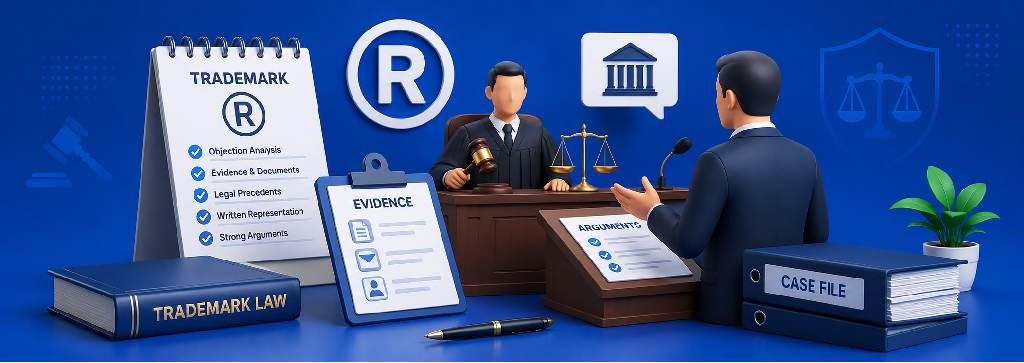
Trademark registration is an important legal step for protecting a brand identity. However, many applications face objections during examination. When the Registrar is not fully satisfied with the written reply submitted by the applicant, a trademark hearing in India may be scheduled. This stage gives applicants an opportunity to present oral arguments and clarify their position before the Trademark Registry. A trademark hearing is a critical part of the registration process. Proper preparation, legal understanding, and strategic presentation can significantly improve the chances of securing registration. Businesses and individuals must understand how hearings work, why they occur, and what steps should be taken to handle them effectively.
Understanding Trademark Hearing in India
A trademark hearing is an official proceeding conducted before the Registrar of Trademarks after examination of a trademark application. It usually takes place when objections raised in the examination report remain unresolved after submission of the written reply. The hearing allows the applicant or authorised representative to explain why the trademark deserves registration. The Registrar reviews oral submissions, supporting evidence, and legal arguments before making a final decision. Trademark hearings are governed by the Trademarks Act, 1999 and relevant Trademark Rules.
Why Trademark Hearings Are Conducted
Trademark hearings occur for several reasons. The most common reason is similarity with existing trademarks. If the Registrar believes the proposed mark may create confusion among consumers, a hearing may be scheduled for further clarification. Lack of distinctiveness is another major issue. Descriptive or generic trademarks often face scrutiny because they may not uniquely identify goods or services. Hearings may also arise due to procedural defects, misleading expressions, incorrect classification, or insufficient supporting evidence. In some cases, the Registrar may simply require additional explanation before allowing the application to proceed.
Importance of Trademark Hearings
A hearing provides applicants with a final opportunity to defend their trademark application before a decision is made. Strong oral submissions can address concerns more effectively than written replies alone. Applicants can clarify misunderstandings, explain business context, and highlight distinctions between conflicting marks. Trademark hearings also help ensure fairness and transparency in the registration process. Businesses should treat hearings seriously because the outcome may directly affect brand protection and future commercial rights.
Process of Trademark Hearing in India
The hearing process generally begins after the Trademark Registry reviews the reply to the examination report.
1. Hearing Notice
The Registry issues a hearing notice specifying the date and time of the hearing. Hearings are often conducted virtually through video conferencing, although physical hearings may also occur in some cases. Applicants should regularly monitor application status to avoid missing notices.
2. Preparation of Arguments
Before the hearing, applicants should prepare legal submissions addressing each objection raised by the Examiner. Arguments should focus on distinctiveness, absence of consumer confusion, prior use, and market recognition where applicable. Supporting evidence should be organised properly for reference during the hearing.
3. Appearance Before the Registrar
The applicant or authorised trademark representative presents arguments before the Hearing Officer. The Registrar may ask questions regarding the mark, nature of business, prior usage, or similarity with existing trademarks. Clear and confident communication is important during this stage.
4. Decision by the Registrar
After hearing submissions, the Registrar may allow the application, issue further requirements, or refuse registration. If accepted, the trademark proceeds to publication in the Trademark Journal.
How to Prepare for a Trademark Hearing
Preparation plays a major role in the success of trademark hearings.
1. Understand the Examination Report
Applicants should carefully analyse every objection mentioned in the report. Each concern should be addressed individually during oral submissions. Ignoring any point may weaken the case.
2. Gather Supporting Evidence
Evidence strengthens legal arguments and demonstrates genuine commercial use. Important documents may include invoices, advertisements, packaging materials, website screenshots, promotional records, and social media presence. Evidence showing acquired distinctiveness can be especially valuable in cases involving descriptive marks.
3. Study Conflicting Trademarks
Where objections relate to similar marks, applicants should examine differences carefully. Distinctive visual appearance, pronunciation, conceptual meaning, or target audience can help reduce confusion in arguments.
4. Prepare Legal Authorities
Relevant judicial precedents and trademark decisions can support the applicant’s position. Citing similar cases where trademarks were allowed despite objections may improve credibility. Many businesses consult top intellectual property law firms in India for strategic preparation and representation during hearings.
Common Questions Asked During Trademark Hearings
The Registrar may ask several questions depending on the nature of the objections. Questions often relate to the meaning of the trademark, the reason for adopting the mark, prior commercial use, and distinction from conflicting trademarks. Applicants may also be asked whether the mark contains descriptive elements or whether evidence of acquired reputation exists. Clear and precise answers help build confidence before the Registrar.
Mistakes to Avoid During Trademark Hearings
Lack of preparation is one of the most common mistakes. Appearing without a proper understanding of objections weakens the defense significantly. Submitting incomplete evidence may also reduce the effectiveness of arguments. Applicants should avoid emotional or overly aggressive submissions. Hearings should remain professional and legally focused. Missing hearing dates can lead to abandonment or refusal of the application. Another mistake involves relying solely on generic explanations without addressing specific legal concerns raised in the examination report.
Can a Trademark Be Accepted After Hearing?
Yes, many trademark applications are accepted after hearings. A strong presentation supported by legal reasoning and evidence can persuade the Registrar to allow registration. Even cases involving descriptive or similar marks may succeed if applicants establish distinctiveness or demonstrate the absence of consumer confusion. The outcome depends on facts, evidence, and legal merit presented during the hearing.
What Happens If the Trademark is Refused?
If the Registrar refuses registration after the hearing, applicants may still have legal remedies available. An appeal may be filed before the appropriate authority or court challenging the refusal decision. In some situations, applicants may choose to modify the mark or file a fresh application with improved branding elements. Consulting the best trademark lawyer in India can help businesses evaluate practical legal options and prepare stronger strategies for future filings.
Role of Professional Legal Assistance
Trademark hearings involve technical legal interpretation and procedural compliance. Professional guidance often improves the quality of arguments and presentation. Experienced trademark professionals understand Registry practices, legal standards, and common examiner concerns. Legal experts also assist in preparing written submissions, evidence compilation, and hearing representation. Businesses investing in strong legal support often reduce the risks of refusal and future disputes.
Tips to Increase Chances of Success
- Selecting a distinctive trademark from the beginning reduces examination complications.
- Conducting detailed trademark searches before filing helps identify possible conflicts.
- Applicants should maintain records of commercial use and branding activities from the early stages of business operations.
- Timely response to examination reports and proper hearing preparation are equally important.
- Professional drafting and legal representation further improve approval prospects.
Conclusion
A trademark hearing in India is an important stage in the trademark registration process. It provides applicants with an opportunity to clarify objections, defend their trademarks, and present supporting evidence before the Registrar. Although hearings may seem challenging, proper preparation and legal strategy can significantly improve the chances of successful registration. Understanding examination concerns, organising evidence, and presenting structured arguments remain essential for achieving favourable outcomes. Businesses should approach trademark protection carefully and proactively. A well-protected trademark strengthens brand identity, market value, and long-term commercial growth.