
Representations and Warranties in Commercial Contracts: Why They Matter
Commercial transactions often depend on information provided by one party to another before an agreement is signed. A buyer may need assurance about ownership, regulatory compliance, intellectual property, financial information or the quality of goods and services. Contract Warranties provide contractual protection by establishing agreed standards or assurances concerning these matters. Representations and warranties are […]
Force Majeure Clauses in Commercial Contracts: When Can They Apply?

Unexpected events can disrupt even carefully planned business relationships. Natural disasters, government restrictions, war, pandemics, strikes, supply chain disruptions and regulatory changes may affect a party’s ability to perform its contractual obligations. Force Majeure Clauses provide a contractual framework for dealing with such circumstances. They can excuse, suspend or modify certain obligations when specified conditions […]
Limitation of Liability Clauses: How Businesses Can Define Contractual Exposure

Commercial contracts distribute risk between businesses and establish the financial consequences of a breach. One of the most important provisions for managing this exposure is the limitation of liability clause. Liability Clauses can determine how much a party may have to pay if a contractual relationship goes wrong and which categories of loss can be […]
Understanding Indemnity Clauses in Commercial Contracts: What Businesses Should Know

Commercial contracts allocate risk between businesses, suppliers, customers, technology providers, investors, and other commercial partners. Among the provisions that can have the greatest financial impact are Indemnity Clauses. These clauses determine when one party may be required to compensate another for specified losses, claims, costs, or liabilities. A carefully drafted indemnity can provide valuable protection, […]
Why Commercial Contracts Are Becoming a Strategic Business Asset

Modern businesses operate in an environment where every commercial decision carries legal, financial, and operational consequences. Whether a company is engaging suppliers, customers, technology providers, investors, distributors, or strategic partners, strong contractual foundations are essential for long term success. Commercial Contracts are no longer viewed as routine legal paperwork completed at the beginning of a […]
How Businesses Can Future-Proof Commercial Relationships Through Better Agreements

Business relationships are constantly evolving. Companies expand into new markets, adopt emerging technologies, form strategic partnerships, diversify supply chains, and respond to changing customer expectations. In this dynamic environment, Commercial Agreements play a far greater role than simply documenting legal obligations. They provide the framework supporting collaboration, reducing risks, protecting valuable business assets, and ensuring […]
The Rise of Contract Risk Management in Modern Businesses
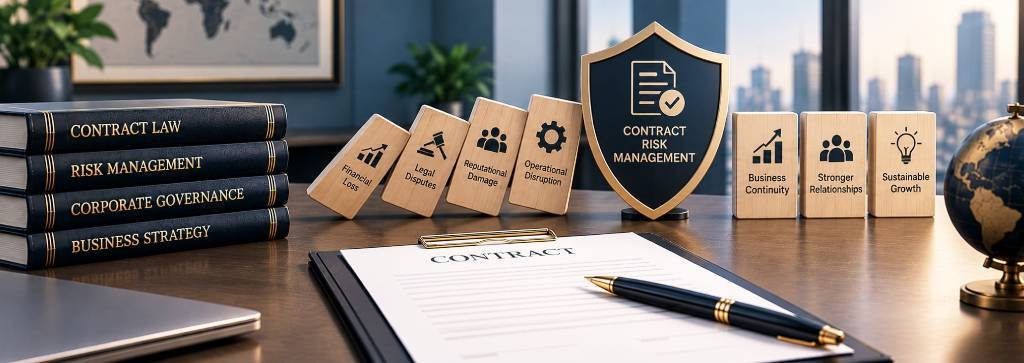
Modern businesses operate in an increasingly complex commercial environment where contracts influence almost every aspect of daily operations. From supplier agreements and customer contracts to technology partnerships, investment arrangements, and outsourcing relationships, every agreement carries legal and financial obligations. As organisations expand and commercial transactions become more sophisticated, Contract Risk Management has become a critical […]
Why Contract Governance Is Becoming a Priority for Growing Companies

As businesses expand, commercial relationships become more complex and contractual obligations increase significantly. Organisations managing suppliers, customers, investors, technology providers, distributors, consultants, and strategic partners often handle hundreds or even thousands of agreements simultaneously. Without a structured approach, businesses may struggle to monitor obligations, renewals, compliance requirements, and commercial risks. Contract Governance has therefore become […]
How AI-Driven Business Operations Are Creating New Contractual Considerations

Artificial intelligence is transforming the way organisations operate across industries. Businesses now rely on AI for customer support, supply chain management, data analysis, software development, healthcare solutions, financial services, and decision making. While these technologies improve efficiency and innovation, they also introduce new legal and commercial challenges. AI Contracts have become increasingly important because traditional […]
Why Professional Contract Drafting Can Prevent Expensive Business Disputes
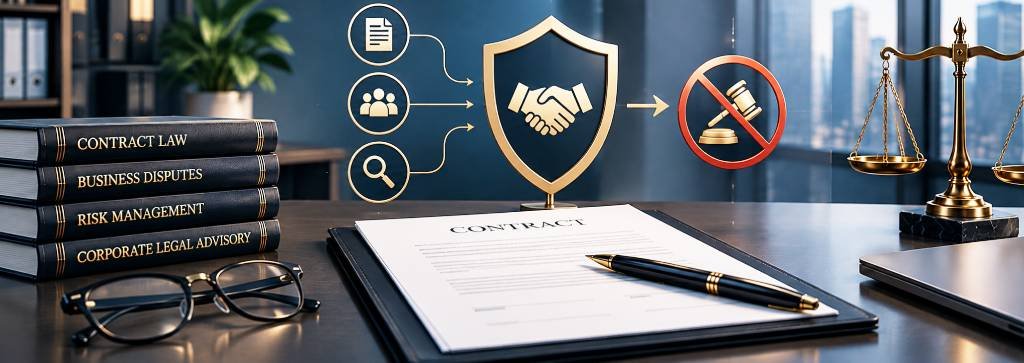
Every successful business relies on contracts to govern relationships with customers, suppliers, employees, investors, distributors, technology partners, and service providers. While commercial agreements may appear straightforward, even minor drafting errors can result in costly disputes, operational delays, financial losses, and damaged business relationships. Contract Drafting is far more than preparing a legal document. It is […]